
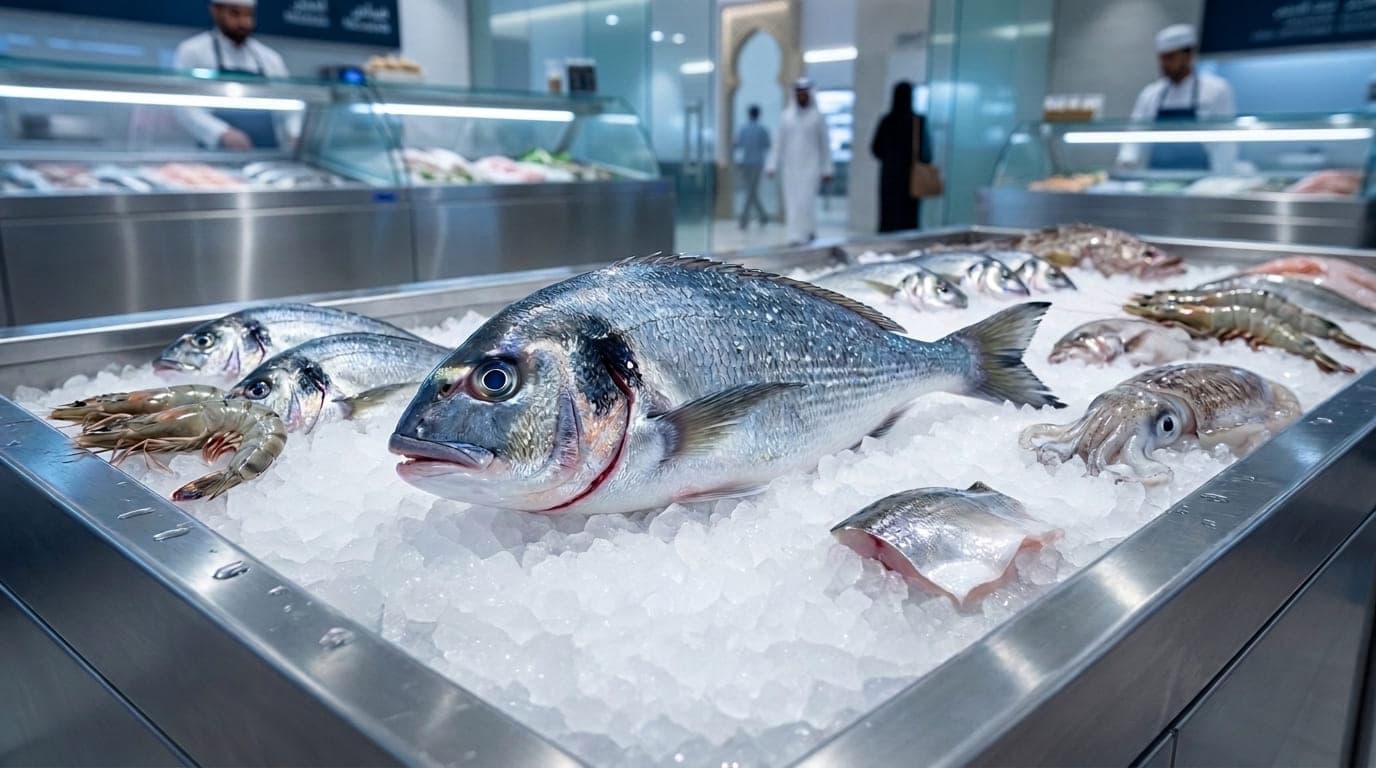
Buying fresh fish is essential for better taste, food safety, and a healthier meal. Whether you are shopping at a seafood market, ordering fresh seafood in Dubai, or choosing fish for your family, knowing how to identify quality seafood can help you avoid spoiled products and make better choices.
Fresh fish has clear visual signs, a clean smell, firm texture, and proper handling history. In Dubai’s seafood markets, where customers have access to both local Gulf fish and imported varieties, understanding freshness indicators is especially important.
This complete guide explains how to tell if fish is fresh, what signs to check before buying, how to identify spoiled fish, and how to keep seafood fresh after purchase.
Why Checking Fish Freshness Matters
Fish is highly perishable compared with many other foods. After being caught, seafood quality can decline quickly if it is not stored correctly. Temperature control, hygiene, transportation, and handling methods all affect freshness.
Fresh fish usually provides:
Better flavour and natural texture
Higher seafood quality
Improved cooking results
Safer consumption
Better nutritional value, including omega-3 fatty acids and high-quality protein
When buying seafood in Dubai, checking freshness helps ensure that you are selecting properly handled fish from reliable seafood suppliers or markets.
7 Signs of Fresh Fish You Should Check Before Buying
1. Fresh Fish Should Have Clear and Bright Eyes
One of the easiest ways to check fish freshness is by looking at the eyes.
Fresh whole fish typically has:
Clear, shiny eyes
A natural rounded appearance
Transparent surface
Avoid fish with:
Cloudy eyes
Sunken eyes
Dull or grey appearance
The eyes are one of the first visible indicators that show whether a fish has been stored properly or has started losing freshness.
2. Check the Fish Gills for Freshness
Fresh fish gills should appear bright and moist.
Look for:
Red or pink gills
Clean appearance
Natural moisture
Old fish may have:
Brown or grey gills
Dry surfaces
Unpleasant odours
Checking the gills is especially useful when buying whole fish from a seafood market because it gives a quick indication of freshness.
3. Look for Shiny Skin and Healthy Scales
Fresh fish should have naturally shiny skin with tightly attached scales.
Quality seafood usually has:
Metallic-looking skin
Smooth surface
Natural colour
Firmly attached scales
Fish that looks faded, dry, or has loose scales may not be fresh.
For customers buying fresh fish in Dubai, appearance is an important first step before checking smell and texture.
4. Fresh Fish Should Smell Like the Sea
Many people think fresh fish should have a strong “fishy” smell, but that is usually a warning sign.
Fresh seafood should have:
A mild ocean-like smell
A clean marine aroma
A fresh seafood scent
Avoid fish with:
Strong fishy odour
Sour smell
Ammonia-like smell
Rotten smell
A strong unpleasant smell often indicates seafood spoilage and poor storage conditions.
5. Test the Texture of the Fish Flesh
Firm texture is another important freshness indicator.
Fresh fish meat should:
Feel firm when pressed
Bounce back quickly
Hold its shape
Avoid fish that feels:
Soft
Mushy
Slimy
Sticky
The flesh should look moist but not watery. This applies to both whole fish and fresh fish fillets.
6. Check the Colour and Appearance
Fresh fish should have natural colouring based on the species.
Good signs include:
Bright natural colour
Moist surface
Clean cuts
Healthy appearance
Discolouration, dark patches, excessive dryness, or unusual changes may indicate poor quality or aging seafood.
7. Check How the Fish Has Been Stored
Even fresh-looking fish may lose quality if stored incorrectly.
When buying seafood, check whether:
Fish is kept on clean ice
Storage temperature is maintained
Seafood is protected from contamination
The seller follows proper seafood handling practices
Cold chain management is essential because fish quality depends heavily on maintaining low temperatures from catch to market.
Fresh Fish vs Spoiled Fish: Key Differences
Fresh Fish | Spoiled Fish |
Clear eyes | Cloudy or sunken eyes |
Red or pink gills | Dark or brown gills |
Clean ocean smell | Strong unpleasant smell |
Firm flesh | Soft or mushy texture |
Shiny skin | Dull appearance |
Properly chilled | Poor storage conditions |
Knowing these differences makes choosing seafood easier and safer.
How to Choose Fresh Fish in Dubai
Dubai offers a wide variety of seafood, including local Gulf fish and imported seafood options. When selecting fish, consider the following:
Buy From Reliable Seafood Sellers
Choose suppliers who maintain:
Proper refrigeration
Clean display areas
Good hygiene practices
Fresh seafood handling methods
Understand Local Fish Varieties
Popular seafood choices in the UAE include:
Different fish varieties have different textures and colours, but freshness signs such as clear eyes, firm flesh, and a clean smell remain important.
Fresh Fish Storage Tips After Purchase
Proper storage helps maintain seafood freshness after buying.
Follow these steps:
Keep fish refrigerated immediately
Store seafood on ice when possible
Use airtight containers
Avoid leaving fish at room temperature
Freeze seafood if you do not plan to cook it soon
Fresh fish should always be handled carefully because improper storage can accelerate bacterial growth and spoilage.
Fresh Fish Buying Checklist
Before purchasing fish, ask yourself:
✓ Are the eyes clear and bright?
✓ Are the gills red or pink?
✓ Does the fish smell clean and fresh?
✓ Is the flesh firm?
✓ Are the scales shiny and attached?
✓ Has the fish been stored correctly?
If the answer is yes to these questions, you are more likely to be choosing quality seafood.
Why Fresh Seafood Is Better for Cooking
Fresh seafood provides better texture, flavour, and cooking performance. Whether you are grilling, frying, baking, or preparing traditional seafood dishes, freshness affects the final result.
Fresh fish is especially important for recipes where the natural taste and texture of seafood are the main focus.
Choosing properly handled fish also supports safer seafood consumption and a better overall dining experience.
Frequently Asked Questions About Fish Freshness
How can you tell if fish is fresh?
Fresh fish usually has clear eyes, bright red or pink gills, shiny skin, firm flesh, and a mild ocean smell. Avoid fish with cloudy eyes, strong odours, slimy texture, or discoloured appearance.
What does fresh fish smell like?
Fresh fish should have a mild ocean-like smell rather than a strong fishy odour. A sour, ammonia-like, or unpleasant smell is usually a sign that the fish is no longer fresh.
How do you know if fish has gone bad?
Fish may be spoiled if it has cloudy eyes, dark gills, slimy skin, soft flesh, unusual colour changes, or a strong rotten smell. These signs indicate poor quality or improper storage.
How do you check fish quality before buying?
Check the fish’s eyes, gills, skin, smell, and texture before purchasing. Fresh fish should look bright, smell clean, feel firm, and be stored properly on ice or under refrigeration.
Is fresh fish better than frozen fish?
Fresh and frozen fish can both be high quality when handled correctly. Fresh fish offers immediate texture advantages, while properly frozen seafood can preserve freshness when stored under suitable conditions.
How long does fresh fish stay good?
Fresh fish should generally be refrigerated and consumed within one to two days. Proper storage using ice or freezing can extend its usability while maintaining seafood quality.